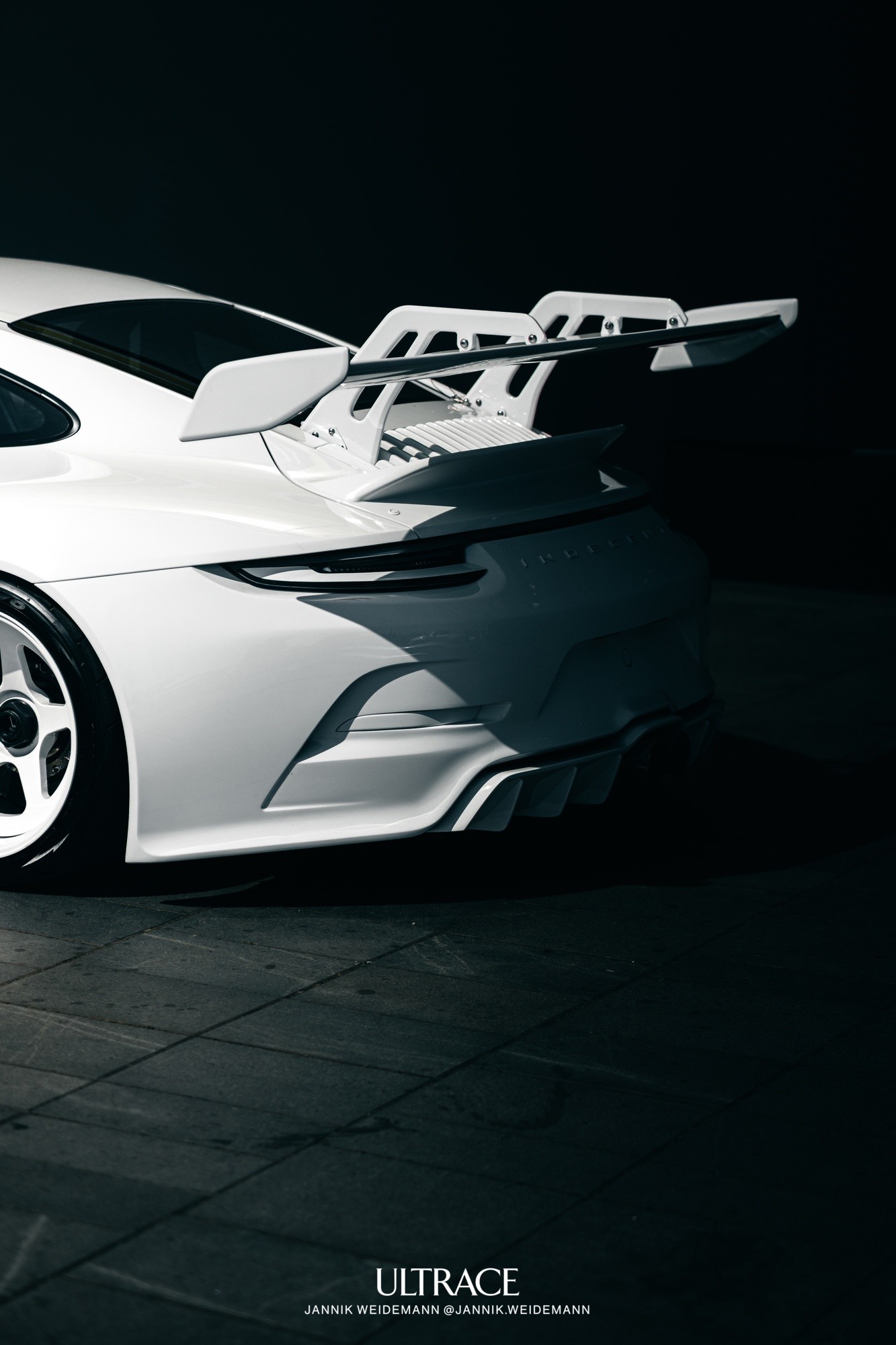
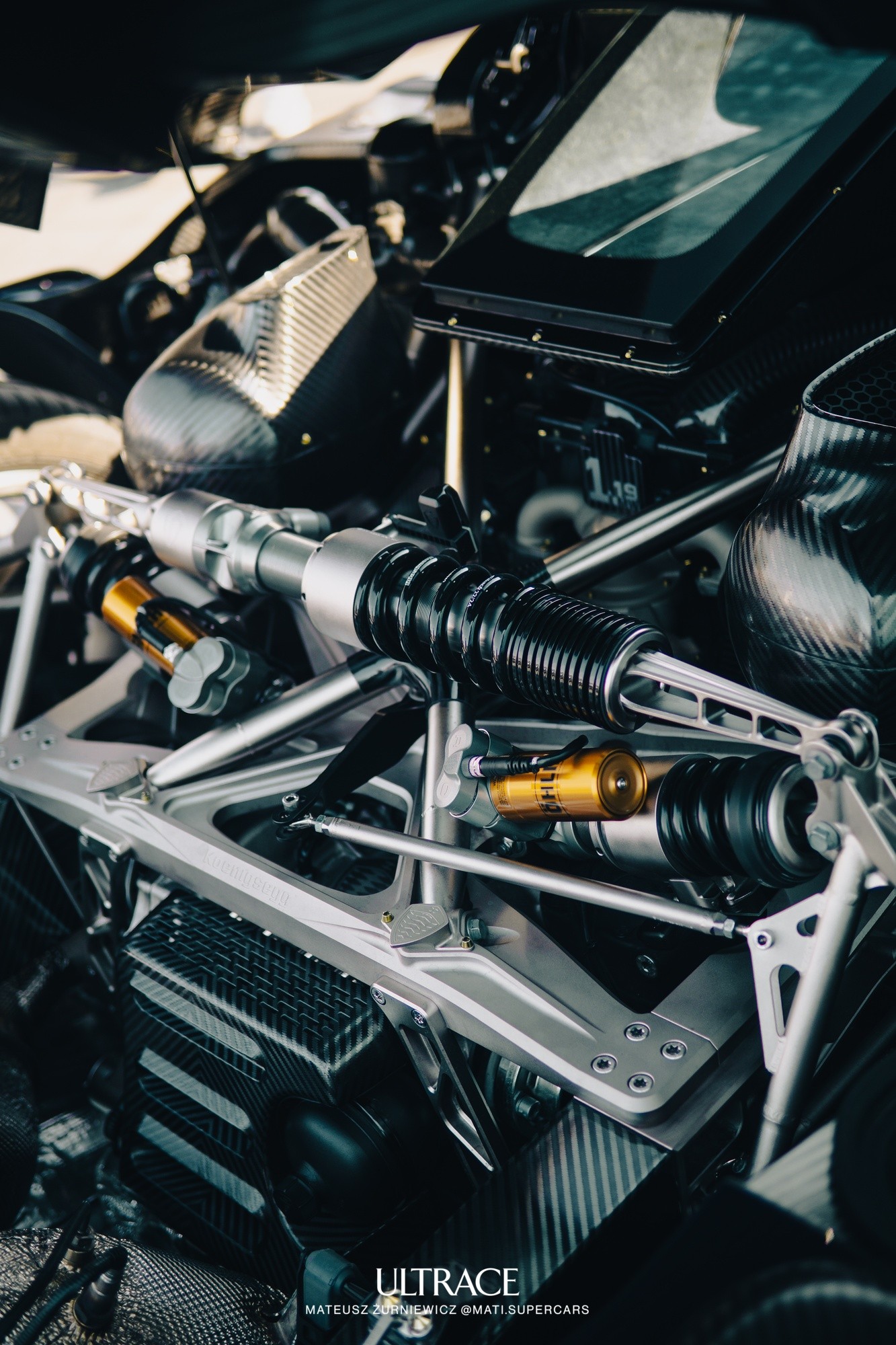
Every event has its defining moment. For Ultrace, 2026 was exactly that. After many years at Wrocław stadium, we moved to Gdańsk for the first time, with Polsat Plus Arena becoming the event's new home. This was far more than a logistical change. It marked the beginning of a new chapter for Ultrace. The new venue gave us more space, greater freedom, and the opportunity to shape the event in a fuller, more multidimensional way. From the very beginning, we felt that this edition would have a different rhythm and a new scale, with Gdańsk bringing a fresh energy that could be felt throughout the entire event.


On June 27 and 28, 2026, Eternal Culture set the tone for Ultrace from the very beginning. By the time the weekend came to a close, those two words perfectly captured everything the event stood for. From the outset, we worked to make the event as broad and multidimensional as possible, selecting everything that felt most inspiring, most powerful, and most distinctive from the worlds of automotive culture and pop culture, then bringing it together in one place. We wanted to create a format in which visitors would not simply look at cars, but experience the full spectrum of emotions that come from automotive culture, art, design, music, movement, and contemporary visual culture. The goal was to to become a space where different worlds could meet naturally and build an experience far broader than a conventional automotive event.


At the core of the event, of course, remained the car selection itself, but this year the role of our partners and the spaces they created became especially significant. As main partner, Mercedes-AMG built one of the most engaging areas of the entire event. Around their stage, and alongside cars that are more often seen in a museum setting than at events of this kind, they created a skatepark that stayed active throughout the day thanks to the presence of top BMX riders. This made it possible to create a place where automotive culture, action sports, music, and the audience came together in a completely natural way, forming a living, open environment rather than a conventional static display.


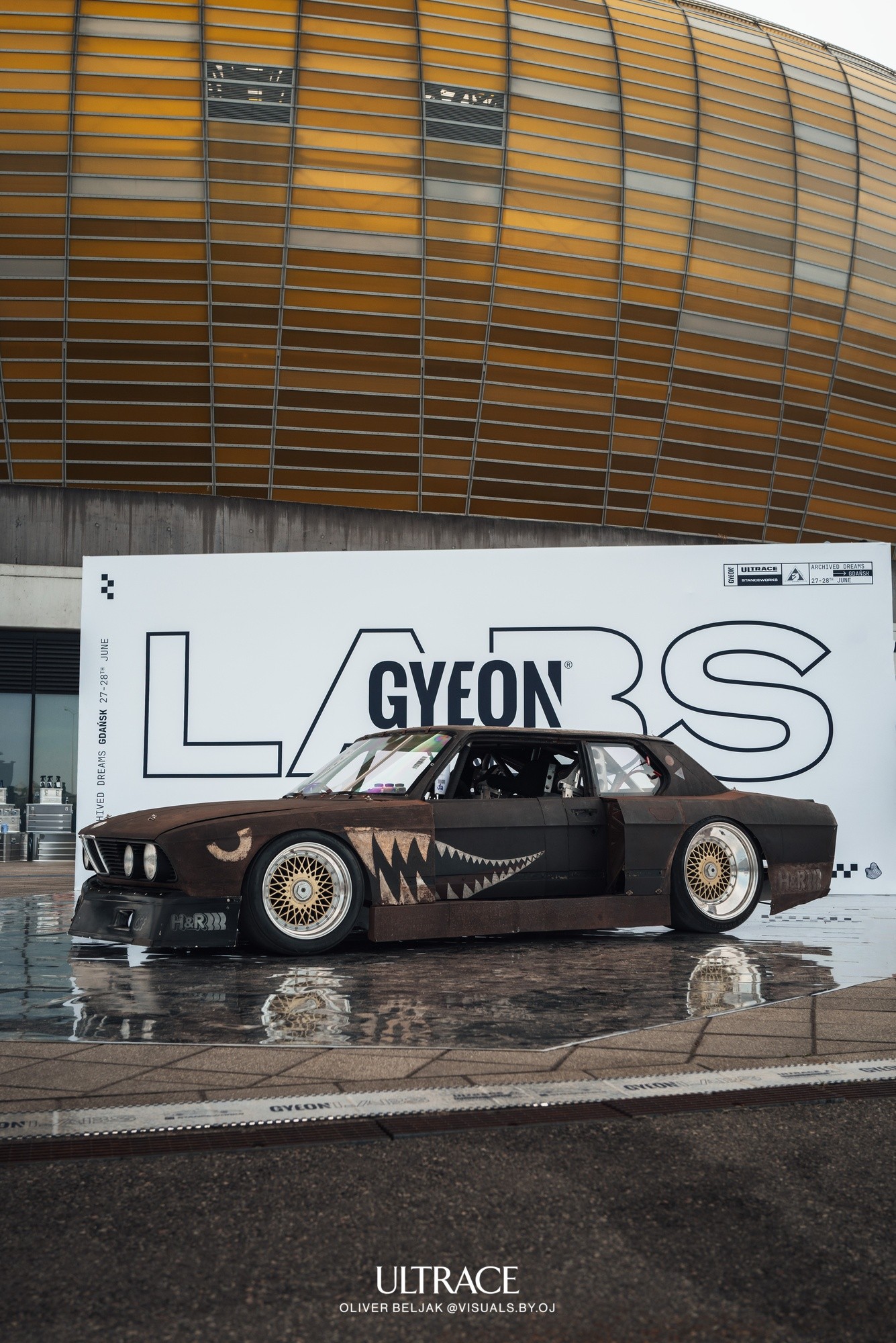
GYEON also played an important role in shaping the atmosphere of this year’s edition, bringing Mike Burroughs to Gdańsk together with his iconic project, Rusty Slammington. Their presence carried real meaning within the wider car scene, because Rusty Slammington is one of those builds that has long outgrown the status of simply being a well-known car. Over the years, it has become a point of reference for people drawn to strong identity, bold style, and a very personal approach to building cars. Bringing a project like that to Ultrace added something more than visual impact. It connected the event to a car and a creator that many enthusiasts genuinely grew up admiring, and it reinforced the idea that Ultrace is a place where important names and memorable projects from across the scene can meet in a way that feels real rather than symbolic. The event also welcomed James Pumphrey, known to many as Speed, adding yet another recognizable face to this year’s lineup.


One of the most compelling and symbolic guests of this year’s edition was Sung Kang, whose presence further strengthened the event’s pop-cultural dimension. For many people, he is not only a recognizable actor, but one of the defining symbols of the era in which car culture entered the mainstream imagination on a completely new level. His name is inseparably linked to the nostalgia surrounding Fast & Furious and to the emotions that the franchise built around style, character, and the identity of the car scene. That is precisely why his presence in Gdańsk meant more than a special guest appearance. It became a meeting point between the real world of contemporary automotive culture and its cinematic, iconic, and emotional dimension, one that for many attendees marked the beginning of their own fascination with cars.


That narrative was further enriched by the presence of partners such as Pirelli and McLaren Warszawa, who presented the extraordinary McLaren Speedtail in Gdańsk. As one of the rarest and most technologically advanced road cars ever produced by McLaren, its presence became one of the highlights of the event, offering visitors a unique opportunity to experience an automotive icon up close. CTEK, meanwhile, showcased two exceptional Ruffian Cars builds: Ruffian 40, a bold reinterpretation of a long-distance racing icon, and Ruffian 500, an impressive project based on the Ford Galaxie 500, combining a classic silhouette with uncompromising contemporary performance. It is through partnerships like these that Ultrace is able to connect brands, collectors, creators, and the public in a way that genuinely expands the event and allows the programme to reach far beyond the boundaries of a classic automotive format.


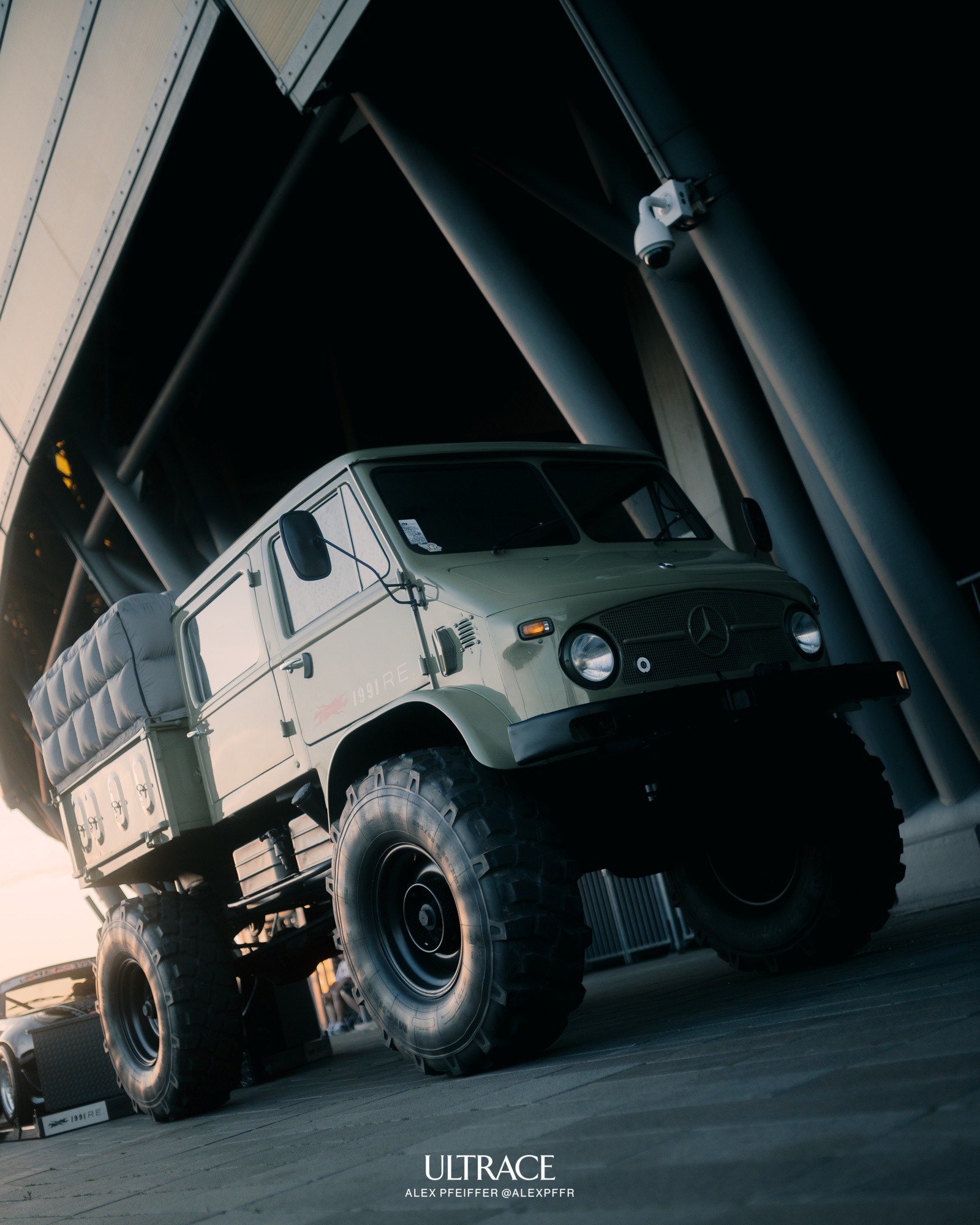
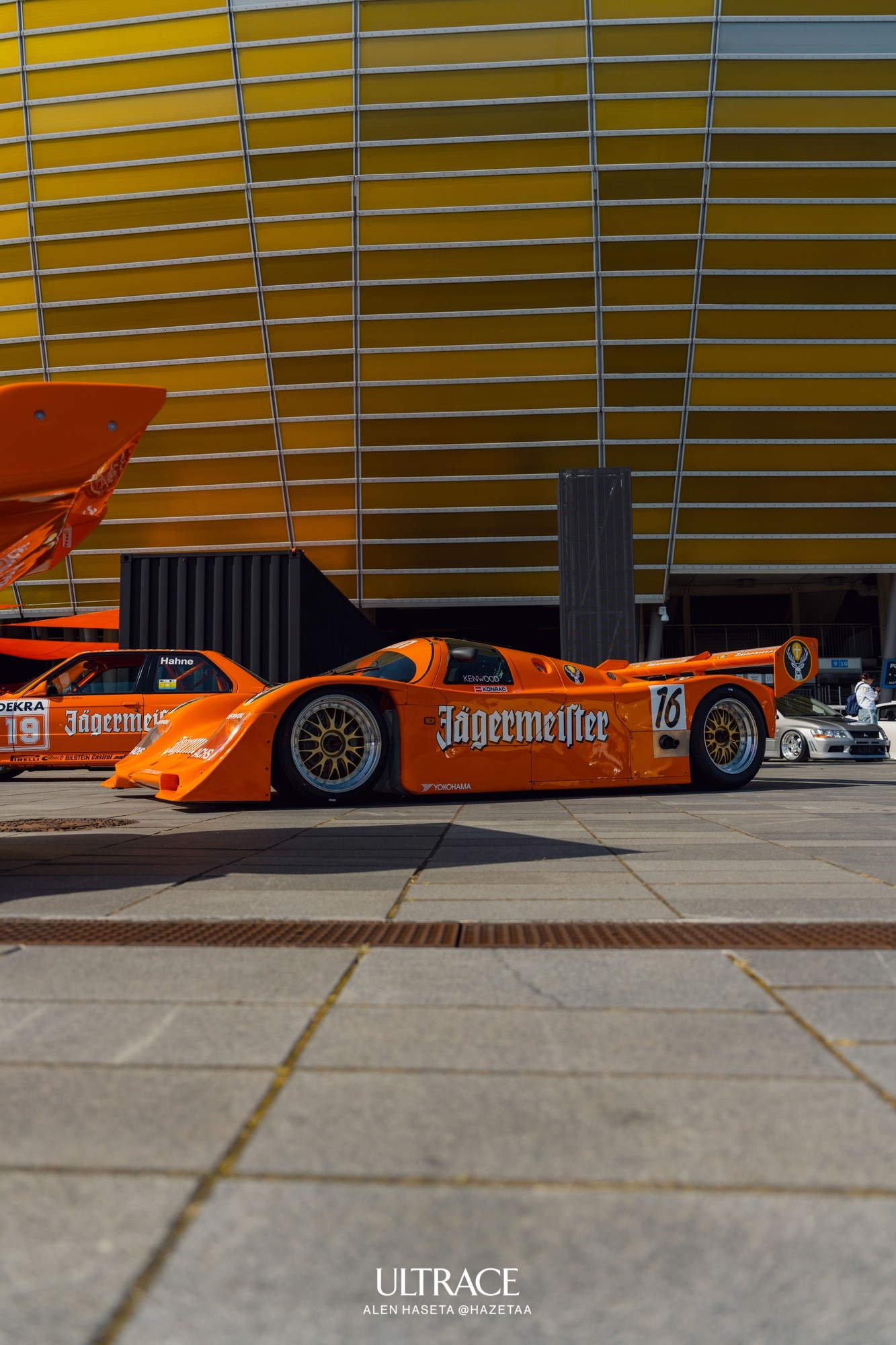
This year’s exhibition once again showed just how broad the language of automotive culture can be today. Cars from Nationales Automuseum appeared on site, including true icons such as the Mercedes-Benz CLK GTR Prototype and the Mercedes-Benz CLR. Also drawing significant attention was the BMW M3 GTR from Need for Speed™: Most Wanted, presented courtesy of BMW Classic and The Hofmeisters, a car that holds almost legendary status for many fans of both automotive and pop culture. These are the moments that best define what makes Ultrace unique: alongside contemporary builds and projects from around the world, you encounter machines that exist somewhere between collector rarity, motorsport history, and cultural symbol. It is this collision of different aesthetics, different eras, and different ways of thinking about cars that keeps the event from being confined to a single narrative, allowing it instead to remain an open platform for the full spectrum of modern automotive culture.


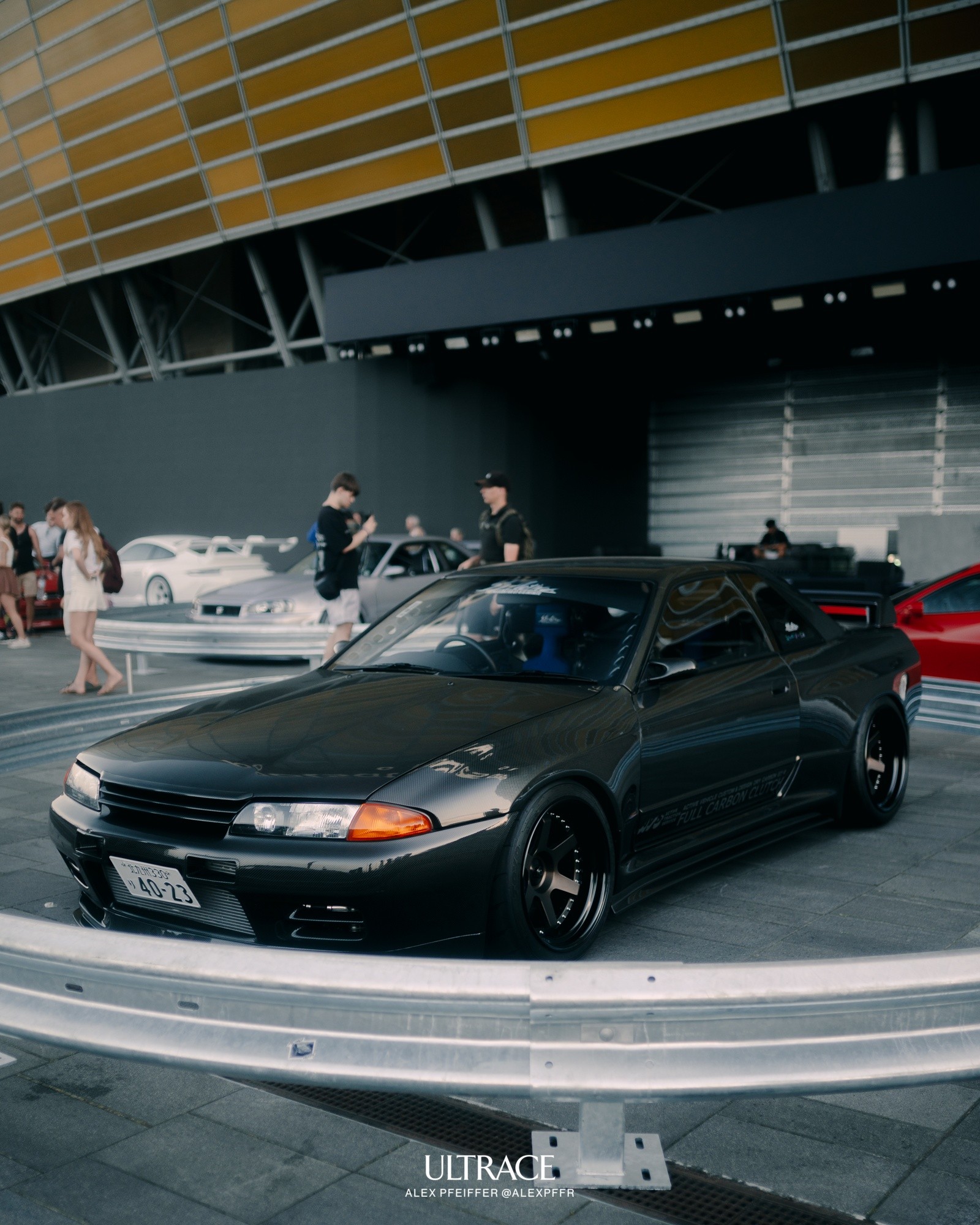
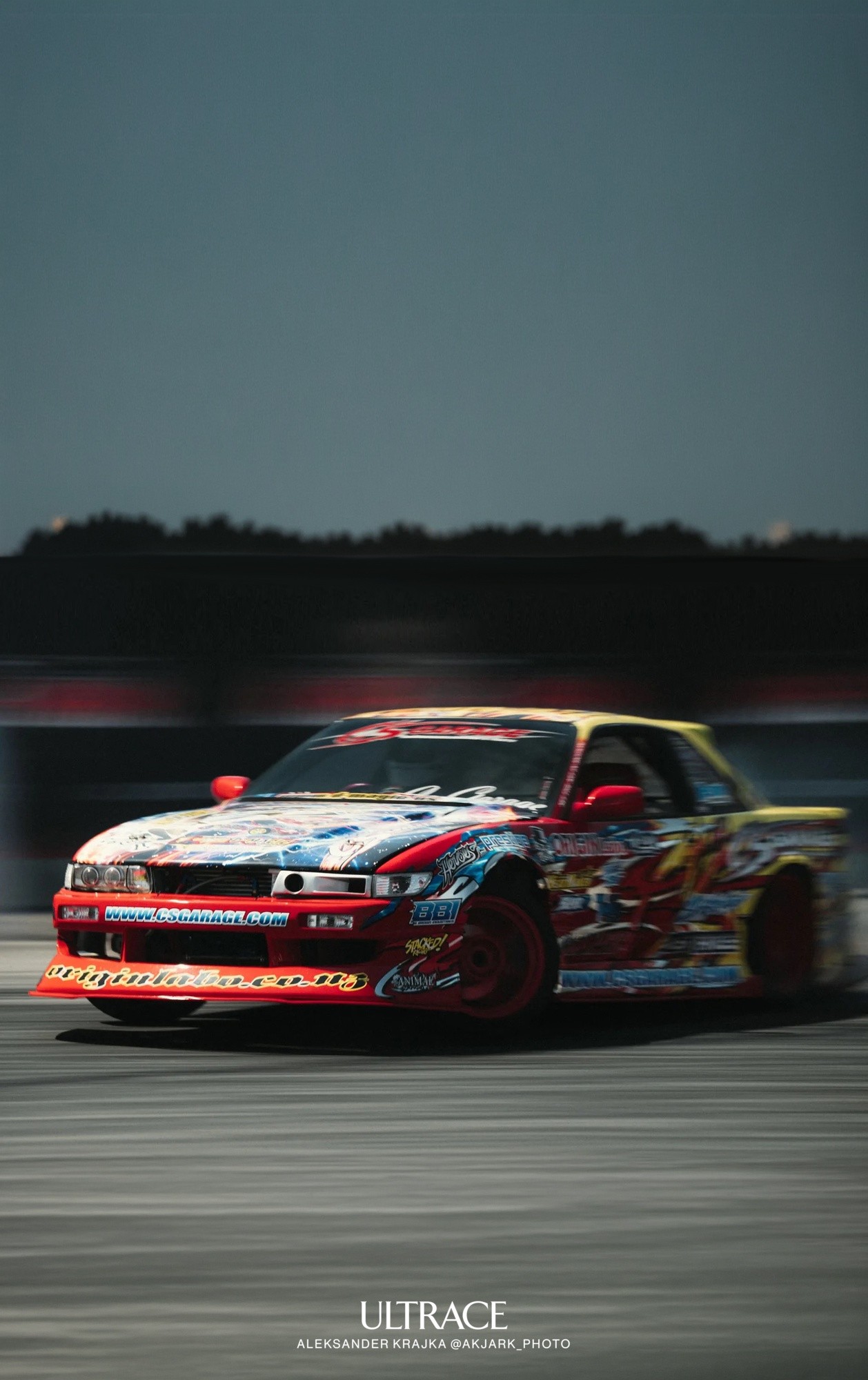
The new location also had a major impact on the drift zone. The layout of the space allowed us to make better use of the area and showcase the entire show more effectively, which was met with strong approval from both the audience and the drivers themselves. As a result, drifting in Gdańsk felt even more intense, more immediate, and more aggressive, with the cars running incredibly close, with confidence and tremendous dynamism. The crowd could feel that energy far more strongly than before, and the overall character of the zone better reflected the spectacle and directness of the format. On track, we were able to host names that only confirmed the stature of this year’s edition: Masato Kawabata appeared with his Nissan GT-R R35, Kalle Rovanperä, WRC World Champion and one of the most recognizable drivers of his generation, also visited the event, and for the first time in Europe we welcomed CS Garage together with their cars, giving the entire show an even more international character. Sultan FQ once again surprised everyone, this time with an unconventional carbon Bentley built for drifting. Projects like these are the clearest proof that Ultrace remains a place for bold, uncompromising, and completely unexpected ideas.

We also wanted this breadth to be visible beyond the car exhibition itself, the partner zones, and the spectacle on track. That is why we invited artist Zulu Kuki to collaborate with us on a rest area combined with a distinct artistic statement. His installation, NATUSTRITAL, brought together nature, industrial form, and contemporary visual sensitivity within one cohesive space. Inside a structure built from stacked shipping containers stood a 1975 Toyota Corolla KE20, surrounded by greenery and an organic landscape that contrasted with the raw, industrial architecture of the installation as a whole. It was a place designed to let visitors pause for a moment, take a breath, and look at automotive culture not only as an object of admiration, but also as a carrier of emotion, memory, and artistic interpretation.


Night Experience completed the picture, moving in 2026 to Plenum on Ulica Elektryków. From Thursday onward, that space began to develop a rhythm of its own, with each activation naturally building the atmosphere around the event. In this way, the daytime energy of Ultrace flowed seamlessly into a nighttime format shaped by music, meetings, and spending time together freely in an environment that genuinely encouraged it. We wanted to create a place that people would not simply drop into for a moment, but somewhere they would want to stay longer, meet others, talk, and feel that they were part of something bigger than just an automotive event. It was in moments like these that it became most apparent that Ultrace is not only about the programme, the cars, and the names involved, but above all about the environment created by people and the relationships built around a shared passion.


Ultrace Poland 2026 will be remembered as the edition that opened a new chapter for the event. The move to Gdańsk, a completely new venue, world-class guests, ambitious partner experiences, and an exceptionally strong drift programme proved that Ultrace can continue to grow without leaving its identity behind. More than anything, this edition showed what can happen when different parts of contemporary culture come together in one place. Looking back, Eternal Culture feels less like a slogan and more like an honest reflection of what this weekend became and of where Ultrace is heading next.